Ahi Tuna Seared

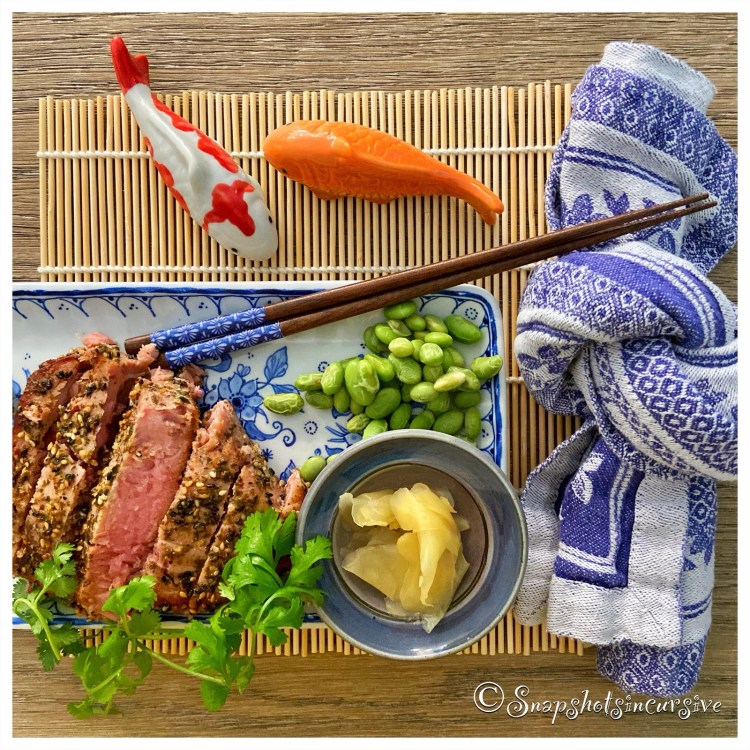
What’s Cooking in Gail’s Kitchen? A Cut Above: Ahi Tuna Seared! As many of you know, ahi should be eaten completely raw or seared on high heat to just barely rare in the center. That means asking for sashimi grade tuna to begin with at the fish market, where it is processed to be eaten exactly those two ways. If it is prepackaged in the seafood deli, and is not marked sushi grade, plan to cook it completely through. Otherwise you could have a reaction that is rather unpleasant. The mild flavor should not smell strong or fishy either. Check your sources before buying. 

AHI TUNA SEARED

Ingredients: 

2 1/2 tablespoons lime juice

4 tablespoons sesame oil

1 tablespoon black pepper

4 tablespoons soy sauce

2 tablespoons ginger root, julienned 

2 6-ounce ahi tuna steaks

2 tablespoons white sesame seeds

2 tablespoons black sesame seeds

Instructions: 

In a shallow dish, combine lime juice, sesame oil, black pepper, soy sauce, and julienned ginger. Mix well. Place the ahi tuna in the marinade, making sure they are fully coated in sauce. Cover; marinate the ahi steaks for 30 minutes in the refrigerator. On a sheet of waxed paper, combine white and black sesame seeds. Press both sides of the tuna steaks into the sesame seed mixture. Transfer the ahi tuna steaks to a well-oiled iron skillet that has been preheated on the stovetop over medium-high heat. Cook 60 seconds per side. Remove the tuna from the pan. Tent with aluminum foil to allow them to rest for 3 minutes. Then, using a sharp knife, slice the tuna against the grain into thin, even slices. Serve immediately. 
Yakitori Chicken Skewers

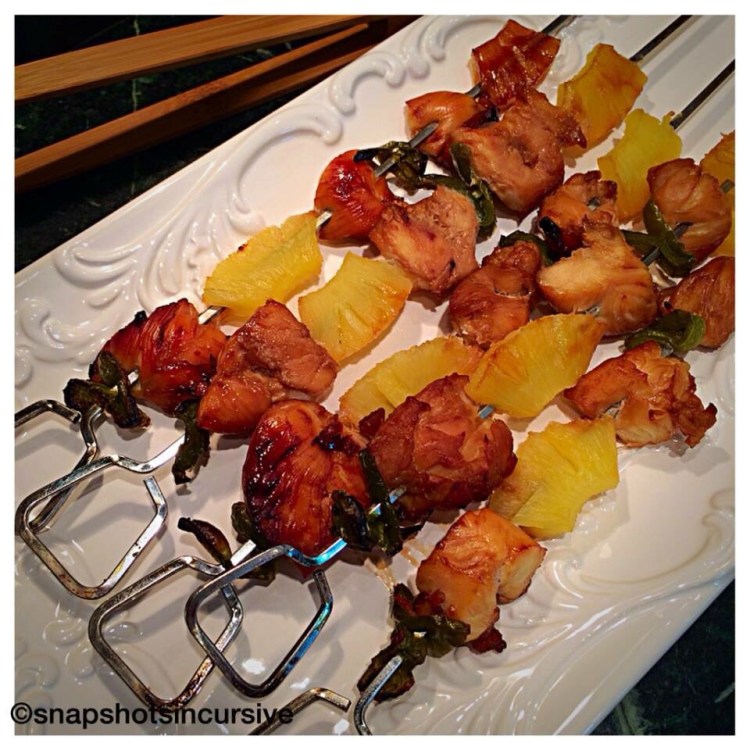
What’s Cooking in Gail’s Kitchen? Home Cooking: Yakitori Chicken Skewers! Our dinner was supposed to be grilled outdoors. Thank goodness when the weather doesn’t cooperate, meat and vegetables can be broiled indoors with very tasteful  results. The international marinade lends itself to an enhanced blend of aromatic soy, olive oil, and pungent ginger which is pleasing to the palate. The Japanese-style dish is a light and healthy alternative when mixed with fruit and vegetables. 

YAKITORI CHICKEN SKEWERS

Ingredients:

2-3 chicken breasts, boneless, skinless, and cut into small sections

1/3 cup brown sugar

1/2 cup soy sauce

1/2 cup sake or vermouth

1 tablespoon rice vinegar

1/2 teaspoon fresh ginger, shaved

1 garlic clove, minced

6″ skewers

1/2 cup pineapple chunks

1/2 cup green pepper strips

Instructions:

Place chicken in a dish. Combine sugar, soy sauce, sake, vinegar, ginger, and garlic. Mix well to combine. Pour over chicken pieces and marinate in the refrigerator for one hour. Thread chicken, pineapple, and green pepper alternating on skewers. Preheat oven broiler on high setting. Place skewers on a foil-lined baking sheet. Broil 5 minutes; turn and broil an additional 5 minutes on the other side. Cook until chicken is fully cooked. Remove from oven being careful of hot juices. 

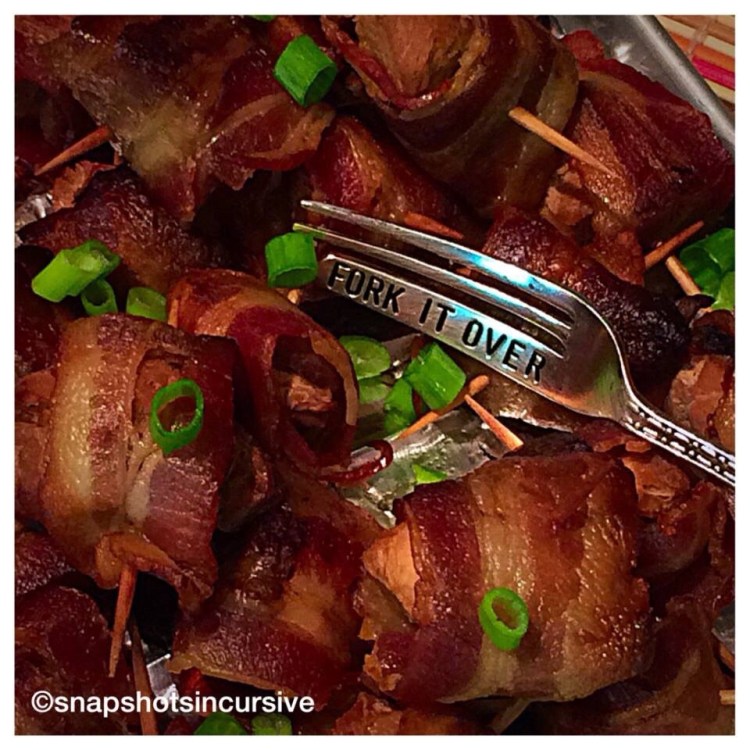
Bacon Bites

What’s Cooking in Gail’s Kitchen? Home Cooking: Bacon Bites! Get ready for a smokey, salty, crunchy all-time favorite appetizer. As the bacon sizzles in the skillet, your will-power needs to shift into high gear to restrain you from taste-testing before it’s finished. Trust me, this is worth the wait. 

BACON BITES

Ingredients:

9 slices of bacon

1/2 pound chicken chunks, pre-cooked

1/4 cup soy sauce

1 tablespoon sugar

1/8 teaspoon ground ginger

1 8-ounce can water chestnuts, drained and sliced

Instructions:

Preheat oven to 450°. Partially cook bacon; drain on paper towels. Combine chicken, soy sauce, sugar, ginger, and water chestnuts. Marinate for 20 minutes. Drain. Wrap one piece of chicken and two water chestnuts in 1/3 slice of bacon. Secure with a wooden toothpick. Place on a baking sheet and bake in the oven 10-12 minutes or until the bacon is crisp. 

Rumaki Shrimp Bites

What’s Cooking in Gail’s Kitchen? A Symphony of Flavors: Rumaki Shrimp Bites! Have you ever gone to a restaurant and ordered a cooked shrimp menu item and then discovered at first bite the “crunch” was from the tail shell not being removed? I get it that leaving the tail on makes for an impressive presentation, but seriously, do I really need to get my hands dirty before I dig in? Oh, I’ve learned to maneuver my fork and knife to get the job done; it’s just that I don’t want to do it. My sweetheart of a husband often tackles the task for me so I don’t end up leaving a stain on my outfit. Yes, that’s happened as well. As you’re thinking…..”what a Miss Priss”, I want you to know that I KNOW shrimp tails are nutritionally edible. Unfortunately I was raised they were basically there to hold onto shrimp cocktail or fried shrimp. Raise your pinky in the air and agree with me. 

RUMAKI SHRIMP BITES

Ingredients:

9 slices bacon, halved

18 medium frozen shrimp, thawed

1/4 cup soy sauce

1 tablespoon sugar

1/8 teaspoon ground ginger

8-ounces sliced water chestnuts, drained

Instructions:

Preheat oven to 400°. Spray a baking sheet with nonstick oil. Partially cook bacon; drain on paper towels. Set aside. Rinse shrimp thoroughly; pat dry. Remove tails and discard. Set aside. In a bowl, combine soy sauce, sugar, ground ginger, and water chestnuts. Marinate for 20 minutes. Drain excess liquid. Wrap one shrimp and two water chestnuts in a 1/2 slice bacon. Secure with a toothpick. Place on prepared baking sheet. Repeat until remaining ingredients have been used. Bake 10-12 minutes, or until bacon is crisp. Serve with dipping sauce of choice. 

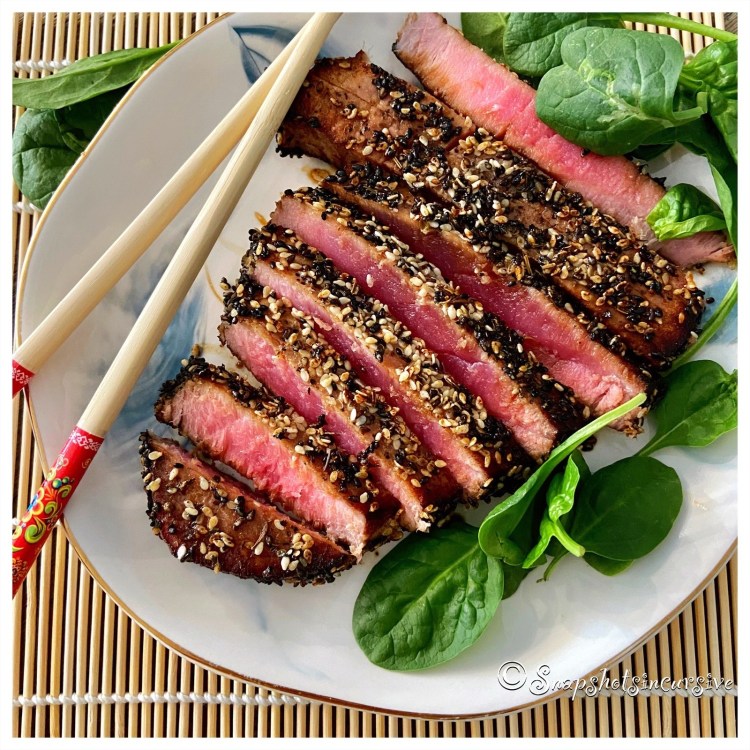
Sesame Crusted Ahi

What’s Cooking in Gail’s Kitchen? Uplifting Aromas: Sesame Crusted Ahi! Even if you prefer a t-bone steak well done, remember that ahi tuna is different from beef. For one reason, ahi tuna can get as tough as shoe leather and as dry as dust when it is overcooked. Pink does not mean raw. Fresh tuna is dark red in color. That’s raw. For those who are trying to maintain a low-fat diet, reduce cholesterol, and strive for good heart health, ahi tuna is nice and lean. The taste is delicious and seems to be rising in popularity. 

SESAME CRUSTED AHI

Ingredients:

3 tablespoons toasted sesame seeds, black and white

1 teaspoon fried garlic

1 teaspoon kosher salt

1 teaspoon black pepper 

1 teaspoon sugar

1 teaspoon dried Italian seasoning blend

12-ounce ahi tuna steak, sushi grade

1 tablespoon soy sauce

2 tablespoons vegetable oil

Instructions:

In a small shallow dish, combine toasted sesame seeds, fried garlic, kosher salt, black pepper, sugar, and dried Italian seasoning blend. Mix well. Pat dry the ahi steak. Coat both sides and the ends with soy sauce. Generously cover both sides of the ahi steak with the sesame seed coating. Press down onto the flesh to adhere spices to the fish. First of all, in order to get a nice golden sear, heat a cast iron skillet over medium high heat until the pan is very, very hot. Add the oil to coat the pan. Carefully place the ahi tuna into the skillet, pressing it into the pan with a metal spatula. Sear for 60 seconds, or until golden brown. Carefully flip. Sear for another 60-90 seconds until golden. Use a tongs to hold it upright to sear the sides, if preferred. Place the seared ahi steak onto a cutting board. Using a very sharp knife, slice thinly and serve. The middle should have a very nice pink color. Enjoy! 

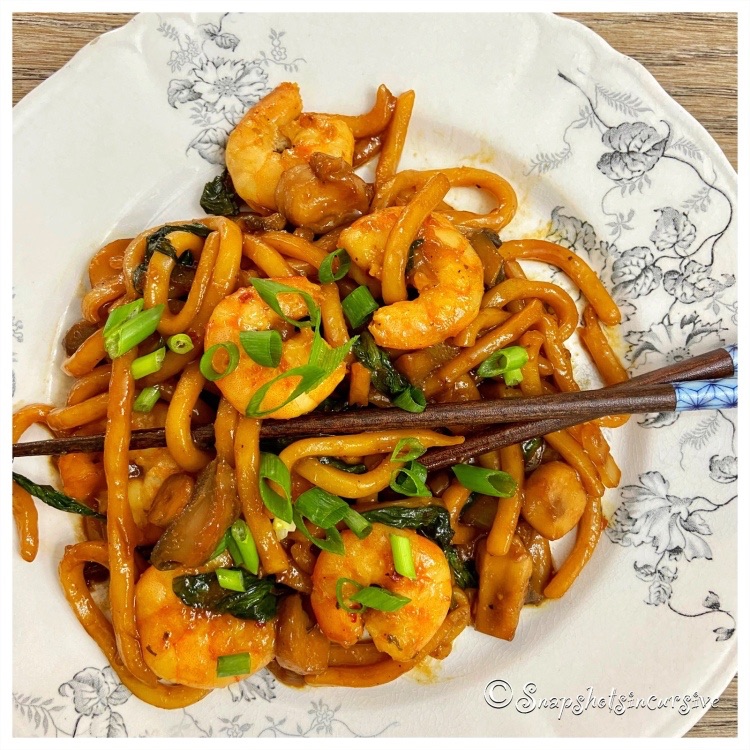
Udon Noodles With Shrimp

What’s Cooking in Gail’s Kitchen? Graze or Gobble: Udon Noodles with Shrimp! Everyone goes crazy over noodles. Udon noodles, made popular by the Japanese culture, offer the chewy thick texture associated with comfort food. Basically made from flour, salt, and water, they can take on the flavor of whatever ingredient you add to it. Being a shrimp-lover and mushroom fanatic, the choices here were not even up for debate. My kitchen, my choice. But I can tell you this, the sauce alone is slurp-worthy. 

UDON NOODLES WITH SHRIMP

Ingredients:

7-ounce package udon noodles 

4 tablespoons olive oil, divided

1/3 cup mushrooms, sliced

1/4 cup yellow onion, chopped

8-10 large shrimp, precooked and tails removed

1/8 teaspoon garlic powder 

1/2 teaspoon seasoned salt 

1/4 teaspoon red pepper flakes 

1/2 cup baby spinach leaves

1 green onion, chopped for garnish

Ingredients for the Sauce:

2 tablespoons oyster sauce 

1 tablespoon dark soy sauce

1 tablespoon rice vinegar 

1 tablespoon brown sugar

1 tablespoon toasted sesame oil 

Instructions:

Make the sauce first by combining oyster sauce, dark soy sauce, rice vinegar, brown sugar, and toasted sesame oil. Whisk until smooth. Set aside. Boil the udon noodles, according to package directions. Drain and rinse in cold water. Drizzle with 1 tablespoon olive oil and set aside. Warm one tablespoon olive oil in a skillet. Increase heat to medium-high setting. Add sliced mushrooms. Stir 2-3 minutes until cooked. Add chopped yellow onions and cook 2-3 minutes longer, or until soft. Transfer vegetables to a platter. In the same skillet, add remaining 2 tablespoons olive oil. Add large shrimp. Sprinkle with garlic powder, seasoned salt, and red pepper flakes. Sauté both sides of the shrimp. Add the udon noodles to the skillet to heat through. Pour the sauce over the shrimp and noodles. Stir. Add mushrooms and onions; gently toss. Turn off heat. Fold in the baby spinach leaves; allow them to slightly wilt. Scoop noodle mixture into individual bowls. Garnish with green onion pieces. Serve immediately. 

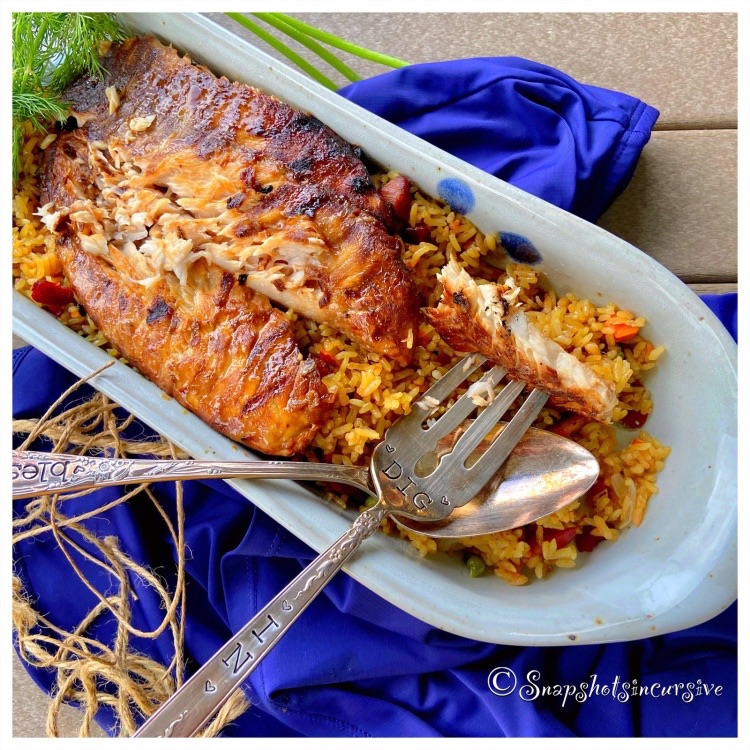
Tripletail Fish Fillet

What’s Cooking in Gail’s Kitchen? Food With Soul: Tripletail Fish Fillet! No, this fish species does not actually have three tails, like its name implies. It does, however, have three rounded fins on the back end of its body that make it appear that way. Pretty cool, huh? It tends to swim in tropical waters, or float on top of the water giving it an appearance of a dry leaf drifting along on a wave. Perhaps the tripletail’s ancestors were the original hippies of the sea, back in the day. You know, hanging out with aquatic mermaids and other interesting water nymphs. But I digress. If you’re wondering how tripletail taste, it’s kinda like grouper or snapper: naturally firm, flaky, and sweet. You should try it.

TRIPLETAIL FISH FILLET

Ingredients:

12-ounce triple tail fish fillet

1/2 cup rice wine vinegar

3 tablespoons soy sauce

1 1/2 tablespoons sesame oil

1/8 teaspoon ground ginger

1/8 teaspoon garlic powder

Green Onions, chopped

Instructions:

Wash the fish fillet; pat dry. Place in a shallow dish. In a separate bowl, combine rice wine vinegar, soy sauce, sesame oil, ground ginger, garlic powder, and chopped green onion. Mix well. Pour the marinade over the fish; cover with plastic wrap. Refrigerate for 8 hours or overnight. Preheat the gas grill to 400°. Transfer triple tail fish directly to the grill grates. Close lid and cook for 4 minutes. Discard marinade. Turn fish and cook 4 minutes longer, with lid closed. Serve over a bed of Chinese fried rice.

Mildly Sweet Red Grouper

What’s Cooking in Gail’s Kitchen? Food With Soul: Mildly Sweet Red Grouper! Trust your local source for fresh fish. I do. Since the fishermen often eat what they catch, it’s natural to ask them questions about the type of fish they sell. Oftentimes it seems to be different from what is common in the supermarkets. Does that make sense? I can relate to species that “taste like” sea bass, halibut, mahi mahi, swordfish, ahi, or tilapia. Beyond that, I really need some guidance for porgy, grouper, snapper, and hogfish. I tend to lean more toward mildly flavored and subtly sweet flavors. That way I can always default to melted butter and lemon. As they say, “There’s plenty of fish in the sea.”

MILDLY SWEET RED GROUPER

Ingredients:

4 red grouper fish fillets

1/2 cup orange juice

3 tablespoons soy sauce

2 tablespoons olive oil

1 teaspoon ground ginger

1 teaspoon brown sugar

Instructions:

In a shallow dish, arrange red grouper in a single layer. Whisk together orange juice, soy sauce, olive oil, ground ginger, and brown sugar. Pour marinade over red grouper fillets. Cover with plastic wrap and refrigerate for 20 minutes. Preheat the grill to 400°. Remove fish from marinade and place directly on the grill grates. Close lid and cook for 4 minutes until sides are slightly opaque. Discard marinade. Flip the fish and cook 4 minutes longer. Fish will appear charred with grill marks and flake easily. Transfer to a platter. Squeeze fresh lime juice over top. Serve immediately.

Island Pineapple Salsa

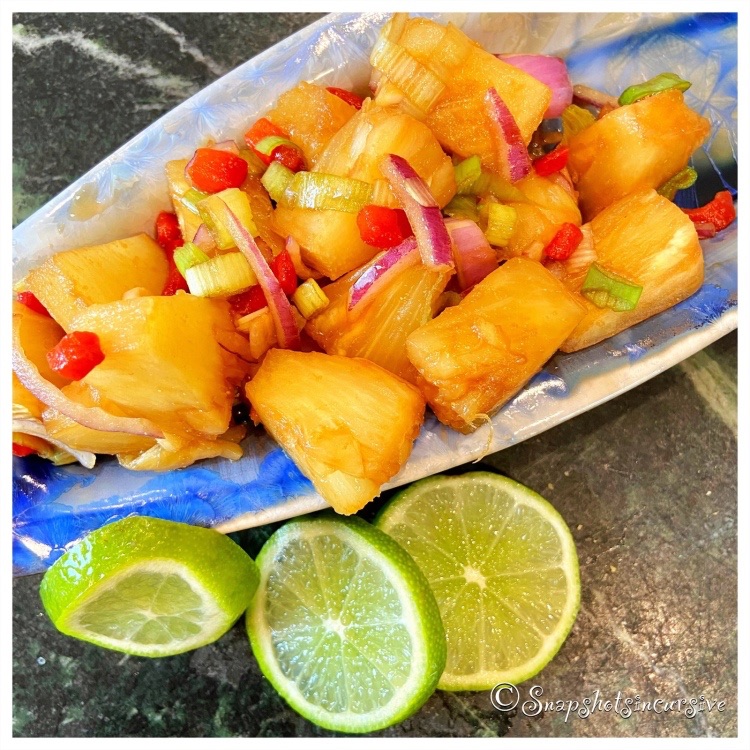
What’s Cooking in Gail’s Kitchen? Food With Soul: Island Pineapple Salsa! For healthy taste with a breath of an island paradise mixed in, treat yourself to this virtuous condiment that goes well with practically anything. Grilled meats, charred veggies, fresh fish, and exotic seafood are great dinner companions as well. For an excellent appetizer, serve the pineapple salsa with lightly seasoned tortilla chips. Goes well with tiki-themed cocktails showcasing dark rum floaters. Can you hear me now?

ISLAND PINEAPPLE SALSA

Ingredients:

2 cups pineapple, tidbits

1/4 cup red pepper, diced

1/4 cup red onion, thinly sliced

2 green onions, chopped

1 teaspoon ginger, finely chopped

1 tablespoon soy sauce

Instructions:

Combine pineapple tidbits, red pepper, red onion, green onions, chopped ginger, and soy sauce in a bowl. Stir well. Cover and refrigerate for one hour.